Graham Davies
Technical Product Manager – SCOM products

How many war room discussions start with - "Did we get an alert for that?"
Technical Product Manager – SCOM products
Series: The State of SCOM in 2026 — Part 4
The previous post in this series ended on a deliberately unresolved note: SCOM 2025 UR1 fixes the platform, but not the years of alert noise sitting on top of it. Before we get into how to fix that, it's worth being precise about what it's actually costing you to leave it alone.
Every IT operations team has a version of the same morning: a console full of alerts, most of which nobody will ever act on, and no reliable way to tell which ones matter without opening each one. It feels like a nuisance. It's actually a measurable cost.
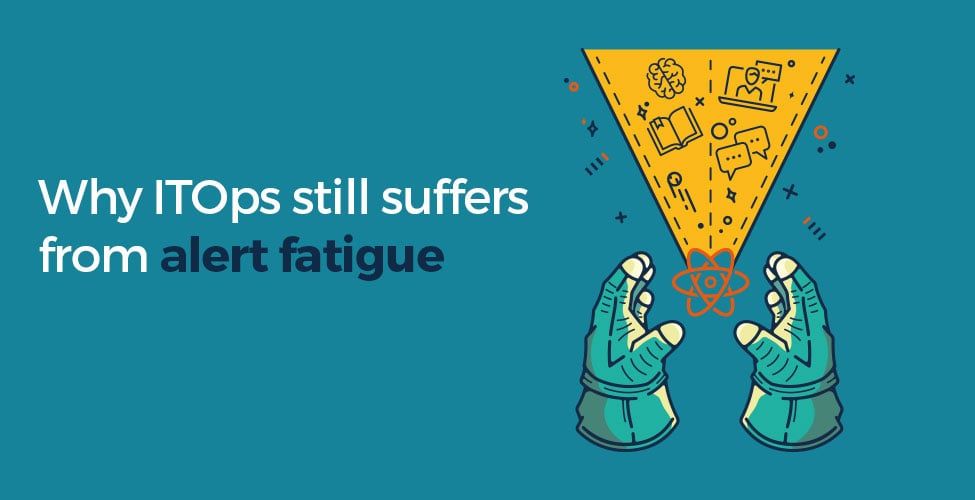
Alert fatigue isn't a discipline problem, it's a volume problem. The more monitoring you deploy, the more alerts you generate — and past a certain point, engineers stop reacting to individual alerts. Once that desensitization sets in, the danger isn't just wasted time triaging noise. It's that the alert which actually matters arrives wearing the same visual weight as five hundred that don't, and gets treated the same way: skimmed, dismissed, or ignored.
The numbers vary by source and by industry, but they point in a consistent direction:
None of this is exotic. It's the ordinary, compounding cost of an alerting system nobody has actively tuned in a while.
If the cost is this real, why does alert tuning so often lose to other priorities?
Mostly because it doesn't feel urgent until the day it very obviously is — the outage that got missed because it looked like the other three hundred alerts that day. Tuning also tends to be treated as a one-time clean-up project rather than ongoing hygiene, which means it decays the same way any unmaintained configuration does: quietly, until the console is loud again and nobody remembers why.
Effective tuning isn't about suppressing alerts wholesale — that just trades alert fatigue for blind spots. It's about matching alert thresholds to what's actually meaningful for a given system, and keeping that match current as the environment changes. In practice that means:
The organizations that treat tuning as ongoing discipline rather than a one-off project tend to see the benefit compound: fewer alerts total, but a much higher proportion of the ones that remain are genuinely actionable. That's the difference between a console someone dreads opening and one that actually tells them something useful the moment they look at it.
It's also, not coincidentally, the same discipline that makes a platform migration go smoothly rather than painfully — clean, well-understood tuning is exactly what you want in place before you move to a new environment, not something you reconstruct from memory after the fact.
You’ve done all the hard work of the migration but the alerts keep coming. Tune into the next in the series - The Real Cost of Alert Fatigue (And Why Tuning Pays for Itself)
If you're planning a SCOM platform migration and want to get ahead of this rather than solve it after the fact then tune in to our next blog - SCOM 2025 Migration Planning — Why Your Overrides Are the Real Risk.
Technical Product Manager – SCOM products